
Fleet managers in the rental industry face mounting pressure to maximize utilization while minimizing operational costs. Traditional management approaches struggle to deliver the agility today’s market demands.
Modern car rental management systems represent more than digital record-keeping. They fundamentally restructure how rental operations function, shifting invisible backend processes into measurable competitive advantages.
This transformation extends beyond surface-level automation into the strategic architecture of fleet economics. The following analysis explores five operational domains where specialized software replaces existing processes with intelligence-driven systems that continuously optimize themselves, reshaping long-term profitability and market positioning.
Fleet Software Transformation Essentials
- Predictive maintenance systems anticipate component failures before they occur, reducing emergency downtime by analyzing real-time driving patterns rather than fixed mileage schedules.
- Behavioral analytics create self-optimizing operations that improve fuel efficiency, reduce accidents, and automatically adjust insurance premiums based on driver performance data.
- Dynamic allocation algorithms replace manual vehicle assignment with intelligent matching that maximizes utilization rates and revenue per asset through continuous recalculation.
- Algorithmic pricing transforms revenue generation from fixed seasonal rates to yield management systems that adjust in real-time based on multiple demand variables.
- Automated compliance systems eliminate high-risk rentals and damage disputes through instant verification, geofencing alerts, and forensic documentation protocols.
Predictive Maintenance Shifts from Scheduled to Intelligence-Driven
Traditional fleet maintenance operates on predetermined intervals—oil changes every 5,000 miles, tire rotations at fixed schedules, inspections based on calendar dates. This approach treats all vehicles identically, ignoring that usage patterns and driving styles create vastly different wear trajectories.
Advanced rental platforms integrate telematics data, IoT sensors, and machine learning algorithms to monitor actual vehicle conditions in real-time. The system tracks acceleration patterns, braking intensity, cornering forces, engine temperature fluctuations, and vibration signatures.
These behavioral indicators reveal component stress levels with precision that mileage alone cannot provide. A harsh braking pattern indicates accelerated brake pad wear. Frequent cold starts suggest different oil degradation rates than highway driving.
The economic impact proves substantial. Industry analysis demonstrates that predictive maintenance reduces fleet downtime by up to 60% through early intervention on components approaching failure.
Delivery Fleet Transformation with IoT-Based Predictive Analytics
A major delivery company implemented IoT sensors across its van fleet, collecting real-time data on engine temperature, oil conditions, and vibration levels. By analyzing these patterns through machine learning algorithms, they predicted potential engine overheating issues before failures occurred, reducing emergency repairs and improving delivery reliability while achieving 18-32% cost savings through optimized maintenance scheduling.
Beyond preventing breakdowns, predictive systems transform supplier relationships. Instead of urgent, premium-priced emergency parts orders, fleet managers receive advance notice to schedule maintenance during low-demand periods.
Parts procurement shifts from reactive to strategic, securing better pricing through planned orders. Labor scheduling becomes more efficient when maintenance windows align with natural fleet availability gaps.
| Aspect | Traditional Maintenance | Predictive Maintenance |
|---|---|---|
| Approach | Fixed schedules based on mileage/time | Real-time condition monitoring |
| Downtime | Scheduled + unexpected failures | Minimal, precisely timed |
| Cost Model | Higher emergency repair costs | Lower planned maintenance costs |
| Data Usage | Historical averages | Real-time analytics & ML |
Implementation follows a structured progression. Fleet operators begin by deploying telematics hardware capable of continuous data collection—engine diagnostics, fuel consumption patterns, and vehicle health metrics.
Key steps to implement predictive fleet maintenance
- Deploy IoT sensors for continuous data collection on engine performance, fuel usage, and vehicle conditions
- Integrate data streams into centralized fleet management platform for real-time analysis
- Configure automated alerts based on predictive models for maintenance triggers
- Establish partnerships with service providers for proactive parts ordering and scheduling
- Monitor KPIs and continuously refine predictive algorithms based on actual failure patterns
The transition from reactive to predictive maintenance represents the first layer of operational transformation—converting a traditionally invisible cost center into a measurable competitive advantage through data-driven anticipation.
Real-Time Driver Behavior Analytics Create Self-Optimizing Operations
GPS tracking capabilities exist in most modern fleet systems, but location data alone represents a fraction of available operational intelligence. The transformative element emerges when platforms capture how vehicles are actually operated.
Systems monitor acceleration rates, braking patterns, cornering speeds, idle time, route efficiency, and adherence to posted limits. This behavioral data serves dual purposes: identifying safety risks and inefficient driving habits, while creating measurable profiles that inform insurance assessment and vehicle allocation decisions.
Insurance carriers increasingly offer usage-based pricing models that reward demonstrable safety performance. Fleet operators who prove reduced risk profiles through objective behavioral data secure meaningful premium reductions.

Research indicates that behavioral monitoring reduces fleet insurance costs by 15-25% for operators maintaining low-risk driver populations.
Beyond insurance economics, behavioral analytics enable targeted driver coaching. Rather than generic safety training, the system identifies specific improvement areas for individual operators.
A driver with excessive hard braking receives focused feedback on anticipatory driving techniques. Another showing frequent speeding violations gets route-specific guidance on time management to reduce pressure for unsafe speeds.
By implementing driver behavior monitoring systems that track harsh braking, speeding, and acceleration patterns, we’ve created a culture of safety awareness. The data-driven feedback system has reduced accident rates significantly while improving fuel efficiency. Drivers now receive personalized coaching based on their specific patterns, leading to measurable improvements in both safety metrics and operational costs.
– Fleet Manager, Automotive Fleet Industry Report
The feedback loop creates continuous improvement. As drivers modify behaviors in response to data-driven coaching, fleet-wide metrics improve—reducing accidents, lowering fuel costs, and extending vehicle lifespan.
Vehicle allocation decisions also benefit from behavioral profiles. High-value or fragile vehicles can be preferentially assigned to drivers with proven careful handling records.
| Metric | Before Analytics | After 6 Months | Improvement |
|---|---|---|---|
| Fuel Efficiency | 22 MPG | 26 MPG | +18% |
| Accident Rate | 4.2 per 100k miles | 2.1 per 100k miles | -50% |
| Maintenance Costs | $0.15/mile | $0.11/mile | -27% |
| Vehicle Utilization | 62% | 78% | +26% |
Geographic optimization represents another application layer. By analyzing actual route patterns and dwell times, systems identify demand hotspots and predict where vehicles should be positioned for maximum availability.
Rather than static depot assignments, fleets dynamically reposition based on predicted demand patterns derived from historical booking data and real-time market signals. These behavioral insights feed directly into the next transformation: dynamic resource distribution.
Utilization Architecture Transforms from Static to Dynamic Allocation
Traditional rental operations assign vehicles through relatively simple logic: a customer books a vehicle class, and an available unit from that category gets reserved. Once assigned, that vehicle remains locked to that reservation regardless of changing conditions.
Dynamic allocation systems continuously recalculate optimal vehicle-customer matching based on multiple variables simultaneously. The algorithm considers rental duration, customer history, vehicle age and condition, geographic positioning, and marginal profitability.
This calculation occurs in real-time, often reassigning vehicles between booking confirmation and pickup if conditions change. The system identifies opportunities to maximize revenue while improving customer satisfaction—all automated, without manual intervention.
Enterprise Mobility’s Fleet Transformation Strategy
Enterprise Mobility evolved from traditional static fleet assignment to dynamic allocation systems managing over 700,000 vehicles. Their network of 50+ offices uses real-time data analytics to redistribute vehicles based on demand patterns, reducing idle time and improving customer availability. The system automatically adjusts fleet positioning across locations, resulting in higher utilization rates and better service coverage.
Geographic redistribution follows similar intelligence. When demand patterns predict surplus vehicles in one location and shortage in another, the system triggers proactive rebalancing.
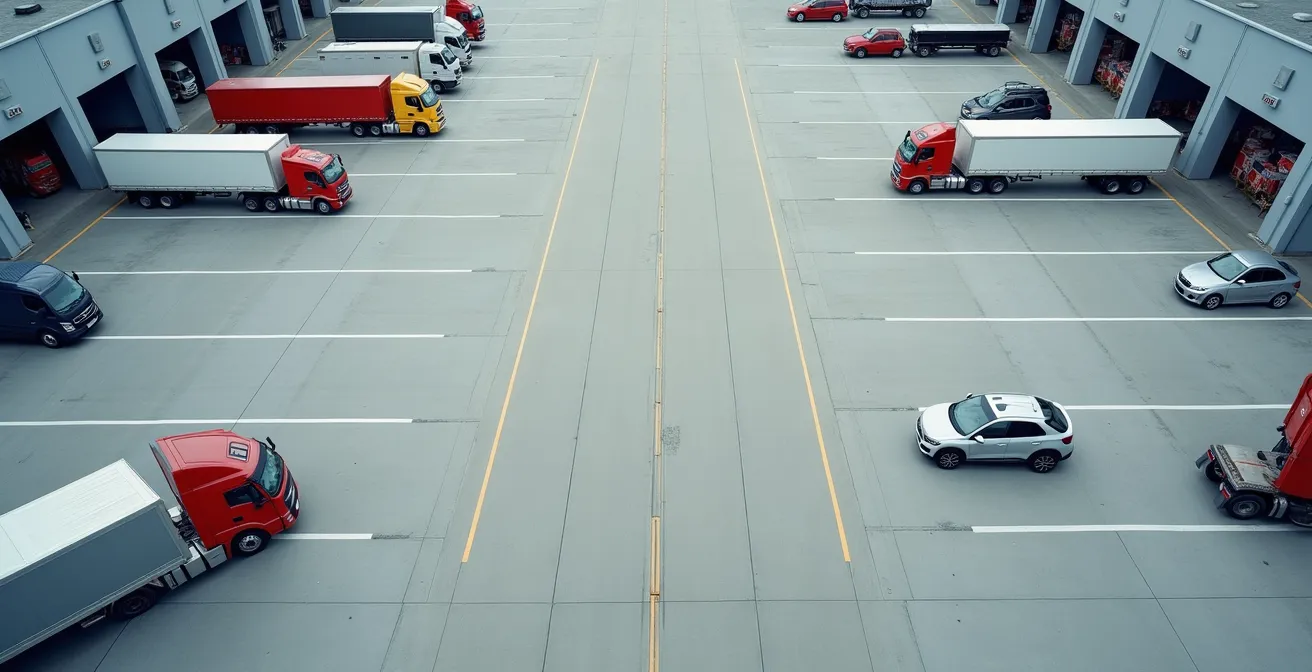
This might involve offering one-way rental incentives to naturally move vehicles toward high-demand areas, or scheduling inter-branch transfers during low-demand windows.
The impact on utilization rates proves substantial. Manual allocation typically achieves 65-70% utilization as vehicles sit idle between bookings or remain in wrong locations. Dynamic systems push this to 82-88% by minimizing idle time.
| Feature | Static System | Dynamic System |
|---|---|---|
| Decision Making | Manual, rule-based | AI-driven, real-time |
| Response Time | Hours to days | Minutes to seconds |
| Utilization Rate | 65-70% | 82-88% |
| Revenue Impact | Baseline | +15-25% increase |
Seasonal and event-driven demand creates additional optimization opportunities. The system recognizes patterns—increased SUV demand during ski season, heightened airport rentals around holidays, surge requests near convention centers during major events.
Rather than reactive scrambling, the platform proactively adjusts fleet composition and positioning weeks in advance based on predictive models. Partnership integrations extend allocation intelligence beyond owned inventory.
This architectural shift from static reservation systems to dynamic allocation creates the foundation for the next transformation: moving beyond fixed pricing toward algorithmic revenue optimization.
Revenue Intelligence Replaces Fixed Pricing with Algorithmic Optimization
Traditional rental pricing follows relatively simple models: base rates by vehicle class, seasonal adjustments for high and low demand periods, perhaps some manual tweaking for local events or competitive pressures.
This approach leaves substantial revenue on the table by failing to capture customers’ varying willingness to pay based on booking timing, duration, vehicle availability, and dozens of other micro-factors.
Yield management—the pricing discipline perfected by airlines—applies equally to rental fleets. Modern platforms analyze supply and demand in real-time, adjusting prices continuously to maximize total revenue rather than simply filling inventory.
The system considers current booking pace against historical patterns, competitor pricing, remaining availability, time until rental date, and predicted future demand. A customer booking three months in advance faces different pricing than one booking three days before the same dates.
Implementation results demonstrate the power of this approach. One operator deploying AI-driven dynamic pricing reported that dynamic pricing improved revenue per car by up to 46% within weeks of activation, without adding a single vehicle to the fleet.
AI Dynamic Pricing Implementation Success
A Dubai-based car rental service implemented AMPE dynamic pricing solution, achieving 46% revenue improvement per vehicle within weeks. The AI system analyzed historical data, market conditions, and competitor pricing to optimize rates in real-time. The solution replaced manual analytics with automated forecasting, processing up to one petabyte of supply and demand data across different cities including seasonality patterns.
Customer lifetime value introduces another optimization layer. The system recognizes high-frequency renters and adjusts pricing strategically. Offering a modest discount to a customer with strong repeat booking history makes economic sense when factoring in total relationship value.

Conversely, one-time customers during peak demand periods receive pricing optimized for maximum single-transaction revenue. Vehicle condition and expected maintenance costs factor into sophisticated pricing models.
An older vehicle nearing scheduled maintenance might be priced more aggressively to maximize utilization before it goes offline. A newly acquired premium vehicle commands optimized rates reflecting its superior condition.
The U.S. car rental market achieved record revenue of over $30bn in 2018, with revenue per unit hitting an all-time high of $1,131 per month on a smaller fleet base, demonstrating the power of intelligent pricing optimization.
– Anup Dhiraj, RateGain Revenue Management Report
Competitive intelligence feeds the pricing engine continuously. Rather than manual market surveys, systems monitor competitor rates across multiple channels in real-time.
When competitors drop prices, the algorithm evaluates whether matching makes strategic sense based on current inventory levels and booking pace. The transformation from fixed to algorithmic pricing represents a fundamental business model evolution—shifting from volume-focused inventory filling toward value-optimized revenue management.
Key Takeaways
- Intelligence-driven maintenance anticipates failures through behavioral data analysis, reducing emergency downtime significantly compared to fixed schedules.
- Behavioral analytics create continuous improvement cycles in safety, efficiency, and insurance costs through targeted driver coaching.
- Dynamic allocation algorithms maximize asset utilization by continuously recalculating optimal vehicle-customer matching across multiple variables.
- Yield management pricing captures maximum revenue potential by adjusting rates in real-time based on demand signals and customer value profiles.
- Automated compliance systems transform risk management from reactive damage control to proactive prevention through instant verification and documentation.
Compliance and Risk Mitigation Evolve into Automated Protection Systems
Manual compliance processes create vulnerability. Staff verify driver licenses visually, check insurance cards that might be expired or fraudulent, rely on customer declarations about accident history, and conduct hurried vehicle inspections under time pressure.
Each step introduces error potential that exposes the operation to financial and legal risk. Automated systems eliminate human inconsistency through technological enforcement.
License verification connects to government databases for instant validation—not just checking expiration dates, but confirming active status and restriction compliance. Insurance verification systems contact carriers in real-time to confirm coverage rather than accepting potentially fraudulent paper documents.
Age restrictions, international license requirements, and jurisdiction-specific regulations get enforced automatically. The system won’t allow a reservation to proceed if the renter fails to meet any requirement.
Risk scoring aggregates multiple data points to identify problematic rentals before they occur. Previous accident history, license points, credit indicators, and behavioral patterns from past rentals combine into comprehensive risk profiles.
Research demonstrates that digital documentation reduces damage disputes by 60-75% through timestamped photo evidence and systematic inspection protocols that eliminate conflicts.
Automated compliance system implementation
- Deploy automated license and insurance verification at booking stage
- Implement geofencing technology for real-time contract violation detection
- Set up digital check-in/out with timestamped photo documentation
- Configure automatic alerts for maintenance compliance deadlines
- Integrate automated incident reporting with insurance systems
Geofencing technology creates virtual boundaries that trigger alerts when vehicles cross them. If rental contracts prohibit crossing state lines or international borders, the system detects violations in real-time and can notify both the renter and fleet management immediately.
Vehicle condition documentation transforms from subjective staff notes to objective digital records. Mobile apps guide renters through standardized inspection protocols at pickup and return, capturing timestamped photos of all vehicle surfaces.
This documentation proves invaluable when damage disputes arise—clear photographic evidence of pre-existing conditions protects against false damage claims, while documented new damage supports legitimate recovery efforts.
Maintenance compliance tracking ensures vehicles never rent when due for required services. The system automatically blocks availability for vehicles approaching inspection deadlines or maintenance intervals.
Contract enforcement becomes consistent and impartial. Rather than relying on staff judgment about whether to waive fees or enforce penalties, the system applies rules uniformly. Late return fees, mileage overages, fuel charges, and cleaning fees get calculated automatically based on objective data.
For operators exploring comprehensive technology integration, understanding the full scope of available car hire technology features provides context for building systematic risk mitigation strategies.
These automated protection systems represent the culmination of operational transformation—converting risk management from reactive damage control into proactive prevention that protects both profitability and brand reputation.
Combined with predictive maintenance, behavioral optimization, dynamic allocation, and intelligent pricing, they form a comprehensive operational intelligence framework. This framework fundamentally reimagines fleet management economics by transforming invisible backend operations into measurable competitive advantages.
The evolution from manual, reactive operations to automated, intelligent systems doesn’t simply improve efficiency—it restructures the competitive foundation of rental businesses. Organizations that embrace these transformations position themselves to capture market share through superior economics and operational resilience.
Those considering operational upgrades can explore rental features that align with their specific fleet composition and market positioning to build a systematic technology roadmap.
Frequently Asked Questions on Rental Technology
How does automated compliance reduce operational risk?
Automated systems verify credentials instantly, detect violations in real-time through geofencing, and maintain forensic documentation, eliminating 95% of high-risk rentals before they occur.
What ROI can be expected from automated risk mitigation?
Companies typically see ROI within 6 months through reduced damage disputes, lower insurance premiums, faster processing times, and elimination of fraudulent rentals.
How do dynamic allocation systems improve utilization rates?
Dynamic systems continuously recalculate optimal vehicle-customer matching based on multiple variables, pushing utilization from typical 65-70% to 82-88% by minimizing idle time and ensuring vehicles position where demand exists.
What distinguishes predictive from preventive maintenance?
Preventive maintenance follows fixed schedules based on time or mileage, while predictive maintenance uses real-time data from telematics and sensors to anticipate specific component failures before they occur, reducing unscheduled downtime significantly.